How Does Personal Training Support Strength & Fitness Goals?
Setting a strength or fitness goal is the easy part. Anyone can decide they want to lift heavier, drop body fat, or finally feel strong in daily life. What trips most people up isn't the goal itself, it's everything between deciding and actually getting there: knowing what to do in the gym, doing it with a plan that changes as you improve, and staying consistent long enough for it to matter. Most people don't fall short on strength or fitness goals because they lack willpower. They fall short because nobody ever showed them how to turn a general goal like "get stronger" into a week-by-week plan that keeps working once the easy progress runs out. That's the gap personal training is built to close. Instead of guessing your way through workouts and hoping something sticks, a coached program gives you structure built around your specific goals, adjusted as your body responds to the work you're putting in.
What Makes Personal Training Effective for Strength Goals
Strength training doesn't build itself just because you show up and move weight around. It builds through a specific kind of stress applied consistently over time, and knowing how to apply that stress well is where most people training alone get stuck. Anyone can pick up a weight. Building strength that actually lasts, and carries over into how you move outside the gym, takes a plan most people don't have the background to build for themselves.
Progressive Overload, Done on Purpose
The basic idea behind getting stronger isn't complicated: you have to gradually ask your body to do more than it's used to, whether that's more weight, more reps, or better control through a full range of motion. What's complicated is knowing exactly how much more, and when, without either stalling out from being too cautious or getting hurt from pushing too fast. One-on-one personal training takes the guesswork out of that decision. Your coach is tracking what you lifted last week and this week, watching how your body is actually recovering, and adjusting the plan in real time instead of running the same numbers up regardless of how you're responding. Some weeks that means five more pounds on the bar. Other weeks it means holding steady because sleep was rough and recovery hasn't caught up yet, a call that's much easier for someone else to make honestly about your training than it is for you to make about your own.
Fixing Form Before It Becomes a Bigger Problem
The other half of getting stronger that's easy to get wrong alone is form. Small technique issues, like a knee caving in on a squat or a lower back rounding on a deadlift, don't usually cause a problem the first time. They cause a problem the fiftieth time, once the pattern is grooved in and the weight has gone up. It's rarely dramatic in the moment. A slightly rounded back on one deadlift can go unnoticed for months, right up until it turns into an ache that shows up the next morning instead of during the lift itself. A coach catching that in week two is the difference between a program that keeps building and one that gets interrupted by an injury that didn't have to happen.
Strength Is Rarely the Only Goal on the List
Most people who start strength training find that it's tangled up with other goals they care about just as much: losing fat, moving better, sleeping well, or just having more energy by the end of the day. That's not a coincidence. Getting stronger changes how your body handles almost everything else, from how efficiently it uses energy to how well your joints hold up under daily stress. Chasing one goal without paying attention to the others tends to backfire eventually, whether that shows up as a strength number that keeps climbing while everything else stalls, or a body that changes on a scale without actually getting more capable.
Why Consistency Wins Over Motivation
Motivation is unreliable by nature. It shows up strong the first two weeks and quietly disappears by week four, usually right around when the new-workout excitement wears off and the actual work sets in. What keeps people training long enough to reach a goal isn't motivation, it's a schedule and a coach they're accountable to showing up for. A session already on the calendar, with someone expecting you, does more for a Tuesday evening workout than any amount of enthusiasm generated on a Sunday night.
A Program That Changes as You Do
A strength training plan that works in month one shouldn't look identical in month four. As you get stronger, the same weights stop being a challenge, recovery needs shift, and what used to feel hard starts to feel routine. A program that doesn't account for that stalls out by design, no matter how good it looked on day one.
How Progress Actually Gets Tracked
This is where personalized coaching earns its keep. Instead of guessing whether you're actually improving, your numbers get logged and reviewed on a real schedule, so adjustments happen because the data says it's time, before something feels off enough to notice on your own. That might be as simple as a running log of your working weights each week or a quick check-in before a session starts, but either way, it's a habit built into the program rather than something you have to remember to do yourself.
The Kind of Coaching That Shapes the Outcome
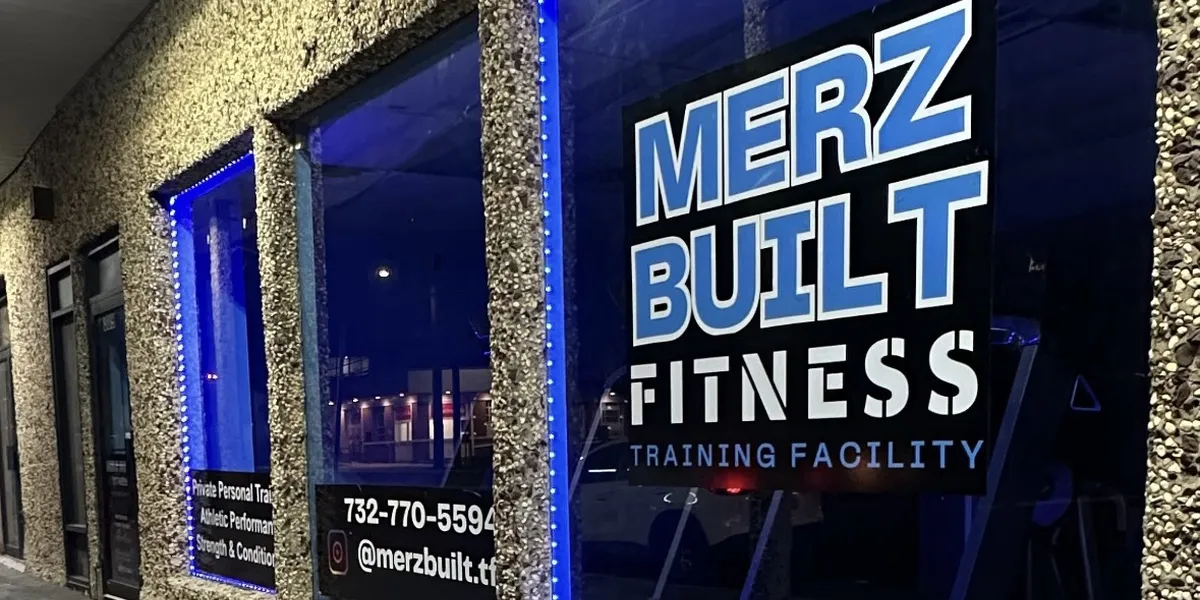
How much of this actually happens depends heavily on who's coaching you and how the place is set up to support it. At Merz Built Fitness, the studio was built specifically around the kind of attention that's hard to get at a bigger commercial gym, where a trainer might be splitting attention across a dozen people in an hour. That's a real factor in whether a strength or fitness goal actually gets reached instead of stalling out somewhere around month three. The studio's approach to coaching starts from treating each person's program as genuinely different from the next, not a template with someone's name filled in at the top. It tends to show up in small ways: a coach who remembers what you mentioned about your schedule last week, or who notices your energy is off before you say anything about it.
That kind of setup matters more the further into a program you get. The plan that gets you started isn't the same one that keeps you progressing six months in, and a coach who's actually paying attention is the one who notices when it's time to change something, rather than waiting for you to plateau and ask why.
What the Results Actually Look Like
None of this matters much if it doesn't actually produce results, so it's worth looking at what that looks like in practice rather than taking it on faith. Real member transformations tend to follow a similar pattern: steady, unglamorous progress that compounds over months rather than a dramatic before-and-after that happens overnight. People show up consistently, the numbers on their lifts move up gradually, and somewhere along the way the goal they started with either gets hit or gets replaced by a bigger one. Someone who could barely finish a set of bodyweight squats in week one might, months later, be loading a bar for the same movement without thinking twice about it, and the change happens slowly enough that it's easy to almost miss how far it's come.
That pattern is worth paying attention to, because it's the realistic version of how strength and fitness goals actually get reached, not the version that gets sold in a thirty-second ad. Progress that happens gradually enough to track week over week is also progress that tends to stick, since it's built on habits and technique that don't disappear the moment a program ends.
Getting Started
If you've got a strength or fitness goal you've been circling for a while without much traction, the most useful next step usually isn't researching more programs online. It's having an actual conversation about where you're starting from, what's realistic for your schedule, and what the first few weeks would look like. Pricing and scheduling vary enough between programs that it's worth asking directly rather than assuming, and a good coach should be able to walk you through exactly how your plan would be built around your specific goals. That conversation costs a few minutes and usually tells you more than another week of comparing programs on your own ever would.
If that sounds like where you're at, reaching out with a few questions is a reasonable place to start, without committing to anything beyond that first conversation.
Strength and fitness goals rarely fall apart because someone didn't want it enough. They usually stall because the plan behind them never adjusted as the person did. That kind of coaching exists to close exactly that gap, one adjustment at a time, for as long as it takes to get from where you are to where you're trying to go.
