Is Personal Training in Linden, NJ Right for Beginners?
Walking into a gym for the first time is intimidating enough without wondering whether you're doing anything right. If you've never lifted a weight with a plan behind it, or it's been years since you trained regularly, that hesitation is normal, and it's usually the exact thing that keeps people from starting at all. So here's the real question worth answering before you sign up for anything: is personal training in Linden, NJ actually built for someone starting from zero, or is it something you're supposed to "graduate into" once you already know what you're doing? The honest answer is that beginners are usually who one-on-one coaching helps the most, not the group it's designed to overwhelm.
Explore One-on-One Training at Merz Built Fitness
See how personalized coaching can help you build strength, learn proper movement, and start with a plan based on your current fitness level.
Explore Personal Training →What Counts as a Beginner, Really?
"Beginner" covers more ground than people assume. It's not just someone who has never set foot in a gym. It includes the person who worked out consistently five years ago and has no idea what their body can handle now, the person who's tried a handful of random workouts off YouTube without any real plan behind them, and the person coming back from an injury who's nervous about re-injuring it. All three of those people are starting from a similar place: they don't have a structure they trust yet, and they don't want to guess their way through it.
That distinction matters, because a lot of generic beginner advice assumes you're building from absolute zero, which can make someone who's experienced but out of practice feel talked down to, while true first-timers can feel like everything assumes knowledge they don't have. A program that actually works for a beginner has to start with a real conversation instead of a template. What's your history with exercise? What's realistic for your schedule? Do you have old injuries worth planning around from day one? Those answers change what the first few weeks should look like, and they're the same questions that should come before anyone hands you a workout plan of any kind.
It's also worth remembering that everyone training seriously right now started at some version of this same point. The people who look confident under a barbell today spent their own first weeks figuring out how to brace and breathe, same as anyone starting out now. That's less a pep talk than a fact worth keeping in mind before writing yourself off as "not ready" for coaching that's specifically built to meet you where you are.
What Your First Phase of Training Can Focus On
A beginner program should establish movement quality, consistency, and a clear progression path before intensity becomes the priority.
Why Personal Training in Linden, NJ Makes Sense When You're Starting Out
There's a reason personal training for beginners tends to work better than trying to figure things out alone. When you don't know what you don't know, the risk isn't just wasted time. It's actually getting hurt doing something with bad form, or building a habit that has to get unlearned later. A coach watching you move catches that early, before it turns into a shoulder that bothers you for months.
One-on-one personal training also removes the part beginners struggle with most: knowing what to actually do each time you show up. You're not standing around wondering whether today is a leg day or a rest day, or guessing at how much weight is too much. Someone else is carrying that decision so you can focus on showing up and doing the work in front of you.
It also solves the motivation problem differently than willpower does. Beginners who quit usually don't quit because the workouts were too hard. They quit because they didn't see progress fast enough to justify the discomfort, they got hurt, or they simply couldn't tell whether what they were doing was working at all. Personal training for beginners fixes that by tracking your numbers from week one, so progress becomes something you can actually see instead of something you have to take on faith. There's also a mental piece to this that's easy to underestimate. Not having to plan your own workouts, or second-guess whether you're doing enough, frees up energy that would otherwise go into overthinking the process instead of just doing it.
See Real Merz Built Transformations
Explore client progress and see how structured training, consistency, and individualized coaching can add up over time.
View Transformations →What Your First Sessions Actually Look Like
The easiest way to lower the intimidation factor is knowing what's actually going to happen before you walk in. At Merz Built Fitness, that first visit isn't a workout thrown at you cold. It starts with a conversation about your goals, your history with exercise, and anything physical you're working around, followed by a movement assessment so your coach can see how you actually move before writing anything down.
From there, your first few sessions are built around learning, not testing your limits. You're being taught how to brace before a lift, how a squat should actually feel, and how to tell the difference between normal discomfort and something worth stopping to mention. Nobody's handing you a maxed-out barbell on day one and walking away. If you want a fuller walkthrough of what your first session actually looks like, it covers the specifics in more detail, but the short version is that the pace is set by where you're starting, not by some standard everyone gets held to regardless of experience.
That approach matters more for beginners than almost anyone else training there. Someone with five years of lifting experience can usually self-correct a form issue. Someone in their first month typically can't, because they don't have the reference point yet to know something's off. Slowing the first few weeks down on purpose is what makes the months after that actually productive instead of spent working around an avoidable setback.
Who You'd Actually Be Training With
Coaching quality varies enormously between gyms, and it matters even more for a beginner who doesn't yet have the experience to tell good coaching apart from someone just reading off a template. It's worth asking directly: who's actually building your program, and what's their background?
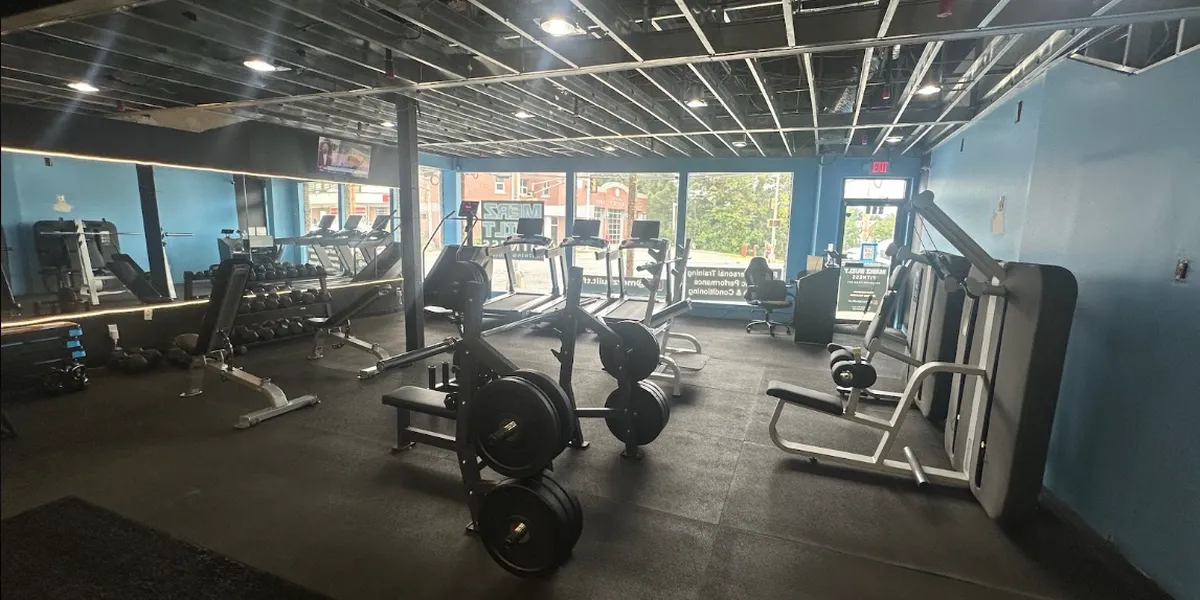
Billy Merz Jr., an IFBB Pro certified trainer, built this gym specifically around the kind of attention that's hard to find at a bigger commercial gym, where one trainer might be managing a dozen clients an hour with barely enough time to watch anyone's form closely. That's a meaningful difference for anyone considering personal training in Linden, NJ for the first time. Early mistakes in form or programming compound. A coach catching them in week two instead of month six is the difference between a smooth start and a setback that costs more time than starting over would have.
It's also worth asking how involved your coach stays after the first few sessions. Some places hand you a program and check in occasionally. Others adjust week to week based on how your body is actually responding, which matters more for beginners specifically, since your capacity in week one and week eight can look completely different. If a coach isn't adjusting for that, you're paying for attention you're not actually getting. A quick way to gauge this on a tour or consultation is to ask how programs typically change between month one and month three. A coach who can answer that specifically, rather than in vague terms, is usually one who's actually tracking progress instead of running the same plan for everyone.
Learn More About Merz Built Fitness
See the coaching approach, training environment, and philosophy behind Merz Built Fitness before deciding whether it's the right fit.
About Merz Built Fitness →What Getting Started Actually Looks Like
If you're still on the fence, the honest advice is to stop trying to decide from the outside and go have the actual conversation. A short assessment of where you're starting, what's realistic for your schedule, and what the first month involves tells you more than another week of researching on your own ever will. That conversation is also the right time to ask about cost and scheduling directly, rather than guessing based on what a friend paid somewhere else or what a quick search turns up. Pricing and session frequency vary enough between gyms that it's not worth assuming anything until you've asked.
It also helps to see that starting from beginner status isn't unusual here. Plenty of the people in these transformation stories started exactly where you are now: unsure, a little intimidated, and without a training history to lean on. What changed wasn't some natural talent for fitness. It was showing up consistently with a plan built around where they actually were, not where they thought they should already be.
If personal training in Linden, NJ sounds like it might be worth it, the lowest-pressure next step is just reaching out and asking a few questions before committing to anything. There's no version of that conversation that wastes your time, and it usually clears up more than another dozen searches. Being a beginner isn't a disqualifier here. In a lot of ways, it's exactly who this kind of coaching was built for.
Being new doesn't mean you need to figure everything out before you start, and it definitely doesn't mean you're stuck with a watered-down version of real coaching. Personal training for beginners, done right, is just training that starts from an honest look at where you actually are instead of assuming you already know what you're doing. The people who stick with it long enough to see real changes are rarely the ones who started in the best shape. They're usually just the ones who had a plan built for where they were on day one, and someone paying enough attention to adjust it as they went.
Start With a Merz Built Consultation
Book a walk-through, ask your questions, discuss your goals, and decide whether the coaching environment feels right for you.
Book a Consultation →FAQs
1. How much does personal training cost for a beginner in Linden, NJ?
Pricing depends on how many sessions a week you're looking for and whether you go with individual sessions or a package. Beginners often start with two to three sessions a week to build consistency and learn proper form before scaling up or down from there. The best way to get an exact number is to ask directly, since a real quote depends on your specific goals and schedule.
2. Do I need to be in decent shape before I start personal training?
No, that's actually backwards. Personal training is built for people who aren't in the shape they want to be in yet, not a reward for getting there on your own first. A good program starts with an honest look at your current fitness level and builds from there, whatever that starting point happens to be.
3. What if I've never lifted weights at all?
That's a common starting point, not an unusual one. Your first sessions would focus on learning the basics: how to brace, how proper form feels, and how to tell normal muscle fatigue apart from something worth mentioning to your coach. Nobody expects you to already know this going in.
4. How soon will I see results as a beginner?
Most beginners notice changes in energy, sleep, and how their clothes fit within the first three to four weeks of consistent training. Visible physical changes usually take longer, often eight to twelve weeks, but those early wins tend to be what keeps people showing up long enough to get there. Your coach can give you a more specific timeline once they know your starting point and goals.
5. Is one-on-one training better than joining a group class as a beginner?
It depends on how much individual attention you need early on. Group classes can work well once you already know how to move safely, but beginners often benefit more from one-on-one coaching, since form corrections and pacing get tailored specifically to you instead of averaged across a room. Once you've built a foundation, some people transition into a mix of both.
6. What should I bring to my first personal training session?
Comfortable workout clothes, sneakers you can train in, and a water bottle are really all you need. It also helps to bring a rough idea of your goals and any injury history, even if it feels minor, so your coach can plan around it from the start.
