Personal Training for Busy People in NJ: A Realistic Weekly Plan
You leave the house before seven, sit in traffic on the Parkway or the Turnpike, put in a full day, and get home with just enough energy to make dinner and answer a few more emails. Somewhere in there, you're supposed to fit in the gym. Most fitness advice wasn't written for that life. It assumes you have an hour and a half, five days a week, plus the motivation to plan every session yourself. Personal training works differently when your calendar is packed, because the goal is to make the few hours you already have count. Here's what a realistic week can look like when time is the thing you have least of.
Why Most Workout Plans Fall Apart When You're Busy
Most plans don't fail because people are lazy. They fail because they were designed for someone else's schedule. A five-day split looks great on paper until a work deadline eats Tuesday and a kid's practice takes over Thursday. Miss two sessions and the whole week feels ruined, so you skip the rest and promise yourself a fresh start on Monday.
The other problem is decision fatigue. After a long day, standing in a gym trying to figure out what to do next is the fastest way to talk yourself into going home. You wander between machines, do a few sets of whatever happens to be open, and leave wondering if any of it mattered. That uncertainty quietly drains motivation, and it hits busy people hardest because their margin for wasted time is already thin.
Then there's the all-or-nothing mindset. A lot of people believe a workout only counts if it's long and exhausting. So when they only have 30 minutes, they don't go at all. A short, focused session done every week will take you further than an ambitious program you follow for three weeks and abandon. For anyone with a demanding schedule, the best plan is simply the one you'll still be doing six months from now.
How Personal Training Fits a Packed Schedule
Someone Else Does the Planning
The biggest time-saver a coach gives you happens before you even walk in. Your trainer decides what you're doing, how much weight to use, and when to push harder, so you can show up and get straight to work. There's no scrolling for workout ideas on your lunch break or guessing how many sets you need. If you're curious what that looks like behind the scenes, here's a closer look at how a personal trainer builds a smarter workout plan. For busy people, handing off that planning load is often what finally makes training stick.
Shorter Sessions Can Still Do the Job
You don't need 90 minutes to make progress. A well-built 30 to 45 minute session focused on big compound movements, like squats, presses, rows, and hinges, covers most of what your body needs. Having options like one-on-one and semi-private sessions makes this easier to fit in. Semi-private sessions run 30 minutes, which slots in nicely before work or during a long lunch break.
Accountability You Can't Cancel Quietly
It's easy to skip a workout you planned on your own. It's a lot harder to skip one when a coach is expecting you at 6 a.m. That appointment on your calendar turns exercise into a commitment, the same way a work meeting is. You'd feel strange ghosting your manager, and after a few weeks, you'll feel the same about bailing on your coach.
A Realistic Weekly Plan You Can Actually Keep
Here's a weekly workout plan that works for most people with demanding jobs or busy households. It's built on three core sessions, with optional extras for the weeks when life cooperates. Treat it as a starting framework your coach adjusts over time, rather than a rulebook you have to follow perfectly.
The Three-Day Baseline
Three strength sessions a week is the sweet spot for most busy adults. It's enough to build real strength and muscle, it lines up with the general guideline of training your major muscle groups at least twice a week, and it still leaves room for the rest of your life.
Day 1 (Monday): Full-Body Strength, 45 Minutes
Start the week with a lower-body lift like a squat or leg press, an upper-body push, and an upper-body pull. Finish with a few minutes of core work. Monday sessions tend to have the best attendance, so put your most important work here.
Day 2 (Wednesday): Strength and Conditioning, 30 to 45 Minutes
Midweek is when energy usually dips, so keep this one efficient. Pair a hinge movement, such as a deadlift variation, with a few short circuits that get your heart rate up. You'll leave feeling better than when you walked in, which is exactly what a Wednesday needs.
Day 3 (Friday or Saturday): Full-Body Strength, 45 Minutes
Repeat the Monday pattern with small changes to the exercises or rep ranges. Giving yourself the choice of Friday or Saturday means one late night at the office doesn't wipe out your third session.
Optional Add-Ons for Good Weeks
If you've got extra time and energy, add one or two of these. If you don't, skip them without any guilt.
Short Walks or Mobility Work
Two 20-minute walks, or ten minutes of stretching at home, help with recovery and the stiffness that comes from sitting all day. They don't require a gym, a coach, or even a change of clothes.
A Solo Session From Your App
If your coach delivers your program through an app like Trainerize, a fourth session on your own can follow the same plan without needing an appointment. It's a nice bonus on weeks when your schedule opens up.
What to Do When the Week Falls Apart
Some weeks will blow up. When that happens, shrink the plan instead of scrapping it. Two sessions still keep your momentum going, and even one 30-minute full-body workout is better than nothing. People who make real progress rarely have perfect weeks. They're just good at keeping a bad week from turning into a bad month. If you see a rough stretch coming, tell your coach early so they can reshape your weekly workout plan around it.
Making Training Work Around Life in New Jersey
Living in New Jersey comes with its own scheduling headaches. Commutes run long, traffic is unpredictable, and plenty of people juggle a job in the city with family obligations closer to home. The setup that works best is one that bends around that reality.
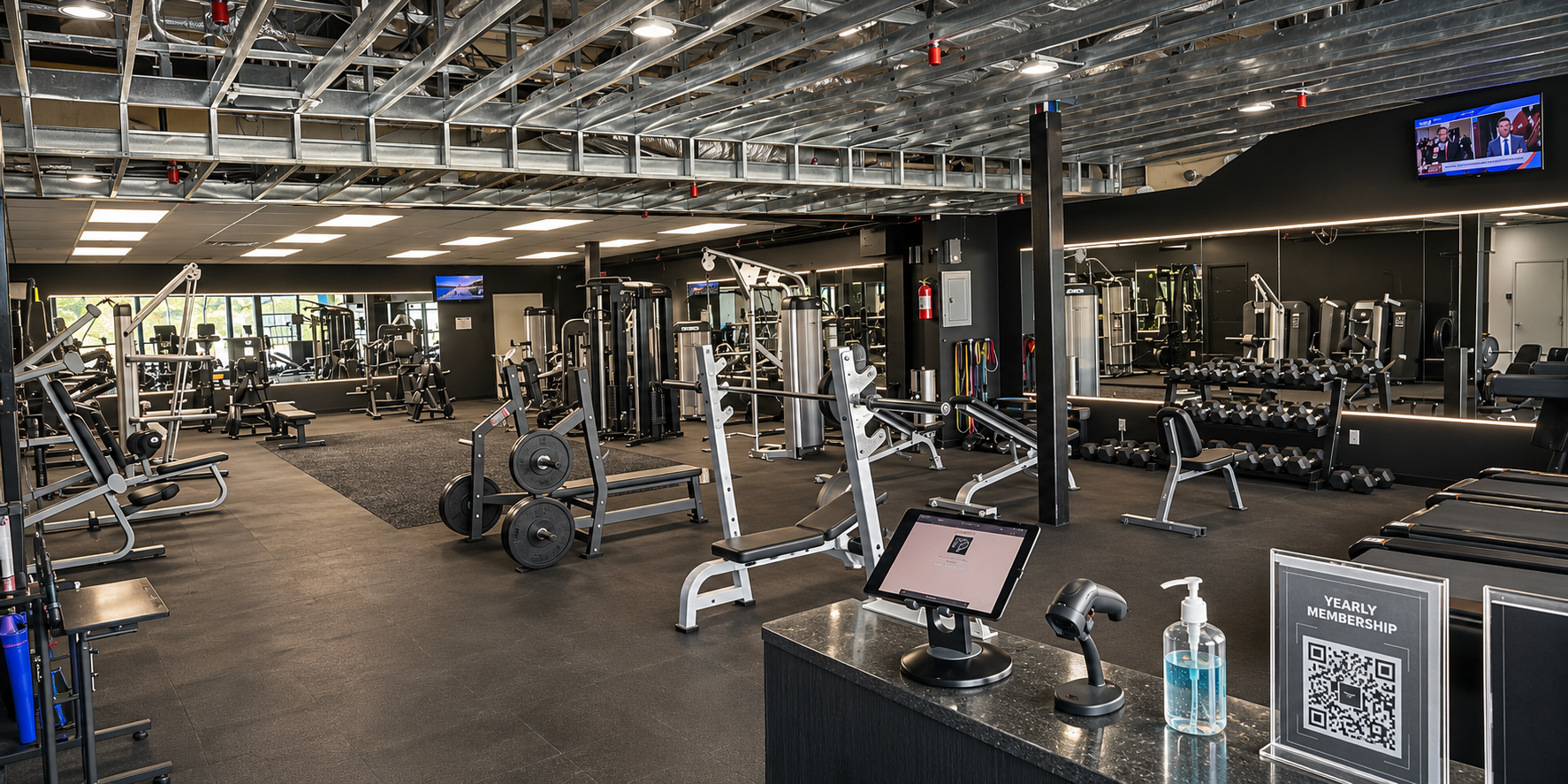
Access hours matter more than most people realize. If your gym closes at 9 p.m. and you don't get home until 8:30, you're out of luck. At Merz Built Fitness in Linden, members get their own key fob and 24/7 gym access, so a 5 a.m. session before the commute or a 10 p.m. session after the kids are asleep are both on the table. That kind of flexibility is often the difference between training regularly and constantly rescheduling.
It also helps to train somewhere along a route you already drive. A gym ten minutes from home or work gets used. One that adds a 30-minute detour usually doesn't, no matter how good it is.
Finally, protect your sessions like you would any other appointment. Put them in your calendar, set reminders, and give them the same respect you'd give a meeting with your boss. Building that habit is a big part of staying consistent over the long haul, especially once the novelty of a new routine wears off.
Signs Your Plan Is Working, Even When the Scale Doesn't Move
Busy people often judge progress by the scale alone, then get discouraged when it barely changes. There are better signals to watch in the first couple of months.
Your Lifts Are Going Up
If you're handling more weight or more reps than you did in week one, you're getting stronger. That's real progress, and a good coach tracks it for you so you can see the trend over time.
You Have More Energy During the Day
Many people notice they're less sluggish at work and sleep better within a few weeks of steady training. That alone tends to make the time feel well spent.
You're Showing Up Without Forcing It
The best sign of all is when training stops feeling like something you have to talk yourself into. Once three sessions a week feel normal, you've built a routine that can survive a busy life.
Good personal training doesn't ask for more hours in your day. It asks for a plan that respects the hours you have, plus someone in your corner to help you follow through. Start with three focused sessions, keep the extras optional, and adjust when life gets loud. If you'd like help building a schedule around your actual week, the easiest first step is to book an intro consultation and talk it through.
Frequently Asked Questions
1. How many days a week should a busy person train with a coach?
Three days is a realistic target for most people with full-time jobs or families. It's enough to build strength and see steady progress without overloading your schedule. If three isn't doable yet, two consistent sessions is a solid place to start.
2. Are 30-minute workouts actually effective?
Yes, as long as they're focused. A 30-minute session built around compound movements and short rest periods can train your whole body. Short sessions are also easier to stick with, and consistency matters more than length over time.
3. What's the best time of day to work out with a busy schedule?
The best time is whichever slot you can protect most often. Many busy people prefer early mornings because fewer things interrupt them before work, while others do better at night. Pick the time you're least likely to cancel and stay with it.
4. What should I do if I miss a session?
Don't try to make it up by doubling your next workout. Just pick up with your next scheduled session and keep the week moving. If you know a busy stretch is coming, let your coach know so they can adjust the plan ahead of time.
5. Is semi-private training a good option for busy people?
It can be. Semi-private sessions are usually shorter and lower in price than one-on-one training, and you still get coaching and form correction. It's a good fit if you're comfortable sharing a coach's attention with a few other people.
6. How long before I notice results with three sessions a week?
Most people feel more energetic and sleep better within the first few weeks. Strength gains usually show up within the first month or two, while visible changes often take around 8 to 12 weeks of consistent training and sensible eating. Your coach can give you a more specific timeline based on your goals.
